Introduction to El Paso, Texas
El Paso, Texas, is a vibrant city located in the far western corner of the state, along the Rio Grande River and the U.S. - Mexico border. Known as “The Sun City” for its year-round sunshine, El Paso offers a unique blend of American and Mexican cultures, reflected in its food, architecture, and traditions. With a rich history dating back to the 1600s, the city has grown into a diverse community that values both its heritage and modern progress.
Today, El Paso is known for its strong sense of community, stunning desert landscapes, and historical landmarks. From the scenic views of the Franklin Mountains to its thriving arts and entertainment scene, the city continues to be a hub of culture and history in the American Southwest.
The Plaza Theatre
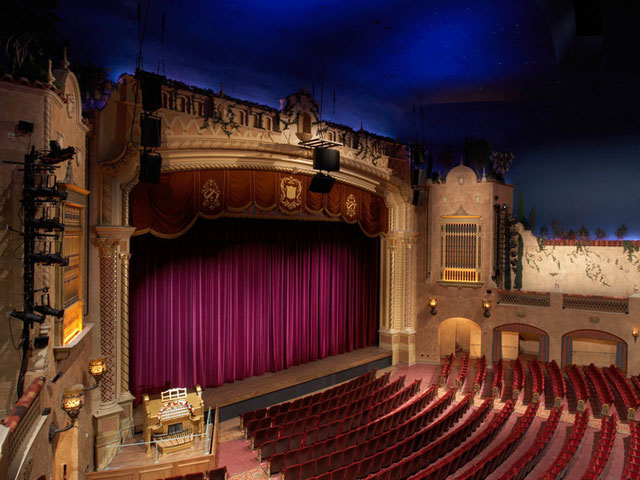
The Plaza Theatre in downtown El Paso is one of the city's most treasured landmarks, representing the elegance and charm of 1930s entertainment. Originally built in 1930, the theater was designed in a Spanish Colonial Revival style, featuring ornate plaster details, hand-painted ceilings, and a “starry night” dome that gives visitors the feeling of sitting beneath the open sky. It was once one of the most luxurious movie palaces in the Southwest, drawing crowds from across the region for both films and live performances.
After years of decline, the Plaza Theatre was beautifully restored and reopened in 2006, returning it to its former grandeur. Today, it serves as a vibrant cultural center, hosting Broadway shows, concerts, film festivals, and community events. Its rich architectural details and classic Wurlitzer organ make it not only a premier entertainment venue but also a proud symbol of El Paso's cultural heritage and artistic spirit.
The Magoffin Home
The Magoffin Home State Historic Site is another jewel of El Paso's history, offering visitors a glimpse into the city's 19th-century frontier life. Built in 1875, the adobe structure blends Territorial, Spanish, and local architectural influences, reflecting the multicultural roots of the region. It was the residence of Joseph Magoffin, a prominent civic leader, businessman, and four-term mayor who played a major role in shaping early El Paso. The home remained in the Magoffin family for over a century, preserving not just the building itself but also furniture, artifacts, and personal items that tell the story of the family's legacy.
Today, the Magoffin Home operates as a museum managed by the Texas Historical Commission. Visitors can explore its preserved rooms, lush gardens, and interpretive exhibits that highlight life on the border during the late 1800s. The site serves as a valuable educational resource, illustrating the cultural blending that defines El Paso's identity and celebrating the contributions of one of its founding families.